
Introduction
In the current era of rapid urbanization and escalating housing demands, innovative solutions are essential for creating affordable, sustainable, and customizable living spaces. One such solution gaining popularity is the use of container houses. These structures, made from repurposed shipping containers, offer a versatile foundation for creating unique homes tailored to individual needs. This article explores the concept of customized container houses, detailing their benefits, design possibilities, and the process of creating a living space that reflects personal style and functionality.
Understanding Container Houses
What Are Container Houses?
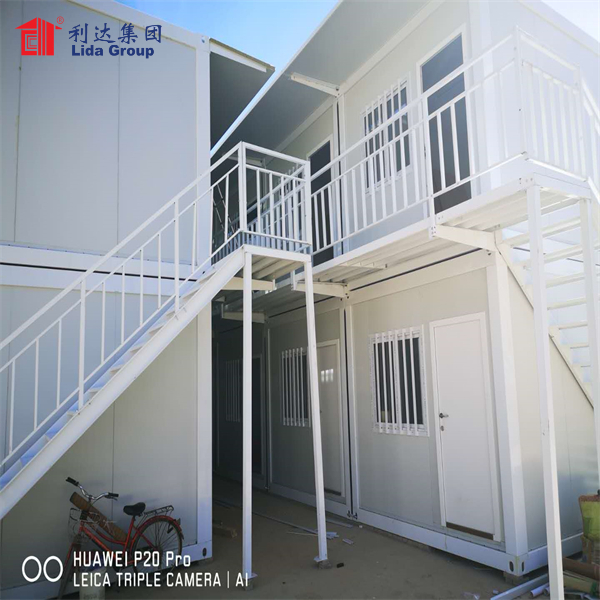
Container houses are built using modified shipping containers, typically made of steel. These containers are designed for transport but can be transformed into livable spaces with the right modifications. The flexibility of these structures allows for a wide range of designs, from single-container units to multi-container complexes.
The Rise of Container Housing
The popularity of container houses has surged due to several factors:
- Affordability: Container houses often require less investment compared to traditional homes, making them an attractive option for budget-conscious buyers.
- Sustainability: Utilizing repurposed materials helps reduce waste and promotes eco-friendly building practices.
- Speed of Construction: Container homes can be assembled quickly, allowing homeowners to move in sooner.
- Versatility: The customizable nature of container houses makes them suitable for various applications, including permanent residences, vacation homes, and temporary housing.
Benefits of Customized Container Houses
1. Personalization
One of the most appealing aspects of container houses is the ability to customize them to fit individual preferences and requirements. Homeowners can tailor various elements, including:
Layout and Design
The interior layout of a container house can be modified to create open-concept spaces, separate rooms, or multi-functional areas. This flexibility allows homeowners to design spaces that align with their lifestyle, whether they need additional bedrooms, office space, or communal areas.
Aesthetic Choices
Homeowners can select exterior finishes, colors, and architectural styles that reflect their personal taste. From modern minimalist designs to rustic, cabin-like appearances, the customization options are virtually limitless.
2. Space Optimization
Container houses often come with efficient use of space. Homeowners can incorporate built-in furniture, lofted sleeping areas, and creative storage solutions to maximize functionality without sacrificing comfort. This approach is especially beneficial for smaller living spaces, where every square foot counts.
3. Mobility
Many container houses are designed to be mobile, allowing homeowners to relocate their homes as needed. This is particularly advantageous for those who desire a flexible lifestyle or wish to travel while maintaining their living space.
4. Sustainability
Container houses are inherently eco-friendly, as they utilize existing materials and minimize construction waste. Additionally, homeowners can incorporate sustainable practices into their designs, such as solar panels, rainwater harvesting systems, and energy-efficient appliances, further reducing their environmental impact.
Design Possibilities
1. Single-Container Homes
Single-container homes are ideal for individuals or small families. These compact structures often feature:
- Open Living Spaces: Combining the living room, kitchen, and dining area into one open space creates a welcoming atmosphere.
- Efficient Layouts: With thoughtful design, single-container homes can include a separate bedroom, bathroom, and storage spaces without feeling cramped.
2. Multi-Container Homes
For larger families or those desiring more space, multi-container homes offer a flexible solution. These designs can include:
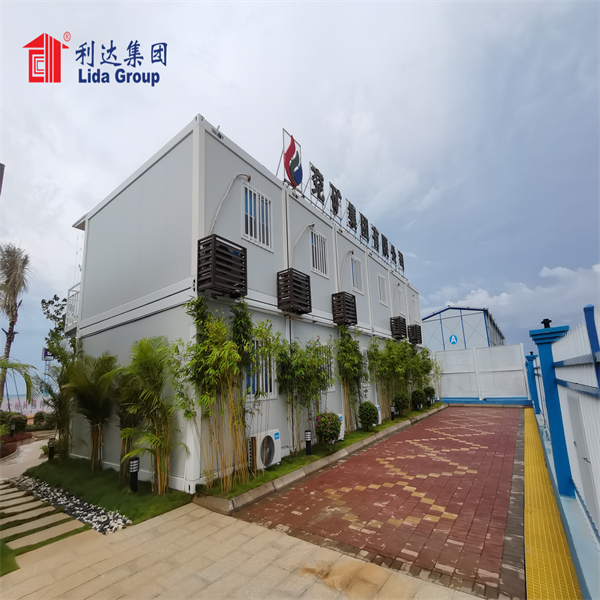
- Stacked Configurations: Containers can be stacked vertically to create multi-story homes, providing additional living space without expanding the footprint.
- Horizontal Arrangements: Side-by-side configurations can create spacious layouts with multiple rooms and outdoor areas.
3. Modular Designs
Modular container homes allow for future expansion. Homeowners can start with a basic layout and add additional containers as their needs change. This adaptability is particularly appealing for growing families or those anticipating lifestyle changes.
4. Integration of Outdoor Spaces
Customized container houses can seamlessly integrate outdoor living areas, such as:
- Decks and Patios: Expanding the living space outdoors enhances the overall experience and provides opportunities for relaxation and entertainment.
- Gardens: Container homes can incorporate vertical gardens or planters, promoting greenery and improving air quality.
The Customization Process
1. Initial Consultation
The customization process typically begins with an initial consultation with a design team. During this phase, homeowners discuss their vision, preferences, and budget. This collaborative approach ensures that the final design aligns with the homeowner’s goals.
2. Concept Development
Based on the initial consultation, the design team creates conceptual sketches and layouts. This stage involves exploring different configurations, materials, and aesthetic choices. Homeowners can provide feedback and make adjustments to ensure the design reflects their unique style.
3. Detailed Design and Planning
Once the concept is finalized, the design team develops detailed architectural plans. This phase includes:
- Structural Engineering: Ensuring the design meets safety and building code requirements.
- Interior Design: Selecting finishes, fixtures, and furnishings that align with the homeowner’s vision.
4. Construction Phase
After obtaining the necessary permits, construction begins. Key steps include:
- Container Modification: Shipping containers are modified to include windows, doors, insulation, and other necessary features.
- Assembly: Containers are delivered to the site and assembled according to the design plans. This process is often quicker than traditional construction methods.
5. Final Touches
Once the main structure is complete, homeowners can add personal touches, such as landscaping, outdoor furniture, and interior decor. This is the stage where the house truly becomes a home.
Maintenance and Longevity
1. Durability of Container Materials
Container houses are constructed from high-quality steel, providing exceptional durability. With proper maintenance, these homes can last for decades. Homeowners should ensure that the protective coatings on the exterior are regularly inspected and maintained to prevent rust and corrosion.
2. Regular Maintenance Practices
To ensure the longevity of a customized container house, homeowners should follow regular maintenance practices, including:
- Cleaning: Regularly cleaning the exterior and interior helps prevent the buildup of dirt and grime.
- Inspections: Conducting periodic inspections for signs of wear or damage can help identify issues before they escalate.
- Landscaping Management: Proper landscaping can protect the foundation and ensure proper drainage to prevent water accumulation.
3. Upgrades and Modifications
One of the significant advantages of container houses is the ease with which they can be upgraded. Homeowners can add features such as energy-efficient appliances, smart home technology, or additional insulation to enhance comfort and efficiency over time.
The Future of Customized Container Houses
1. Growing Demand
As urbanization increases and traditional housing markets become saturated, the demand for affordable and customizable housing solutions like container houses is expected to rise. Lida Group is well-positioned to meet this demand with innovative designs and sustainable practices.
2. Technological Innovations
Advancements in construction technology will continue to improve the customization process. From 3D printing to modular construction techniques, these innovations will enhance the efficiency and quality of container homes.
3. Expanding Markets
Lida Group aims to expand its reach into new markets, offering customized container houses to diverse demographics. From urban dwellers to rural residents, the versatility of container homes allows for tailored solutions that meet varying needs.
Conclusion
Customized container houses represent a groundbreaking approach to modern living, offering a unique blend of affordability, sustainability, and personalization. With the ability to tailor every aspect of the design, homeowners can create living spaces that reflect their individuality and lifestyle.
As the housing landscape continues to evolve, container houses will play an increasingly vital role in providing innovative solutions to housing challenges. With Lida Group leading the charge, the future of customized container houses looks bright, promising a new era of sustainable and stylish living spaces for all. Whether as a primary residence, vacation home, or mobile workspace, the potential of container houses is limited only by the imagination of their owners.
Contact Us
Post time: Nov-01-2024